First Itteration of the LLCER Portfolio: To what extent Art that stirs debate can enable marginalized groups to express themselves ?
Written by Aline
Note
The full portfolio is elsewhere, I stopped maintaining this one
Portfolio V1
Question raised :
To what extent can Art that stirs debate enable marginalized groups to express themselves ?
Theme
Self expression, Self construction
Art and Debate
CheckList
Complete Work - The Handmaid’s Tale
1 lit. document -
1 non-lit. document -
1 piece of visual artwork [verif]
March 29th Patch note
Replaced NYT Non lit. Doc (not focused on a specific group) —> Grey Art Museum - 2019 Exhibition Background
Replaced Lit. Doc (Unknown source) —> Art and Queer Culture - Catherine Lord and Richard Meyer
Focused Mainly on LGBT groups
Fixed some typos
Documents
Complete Work
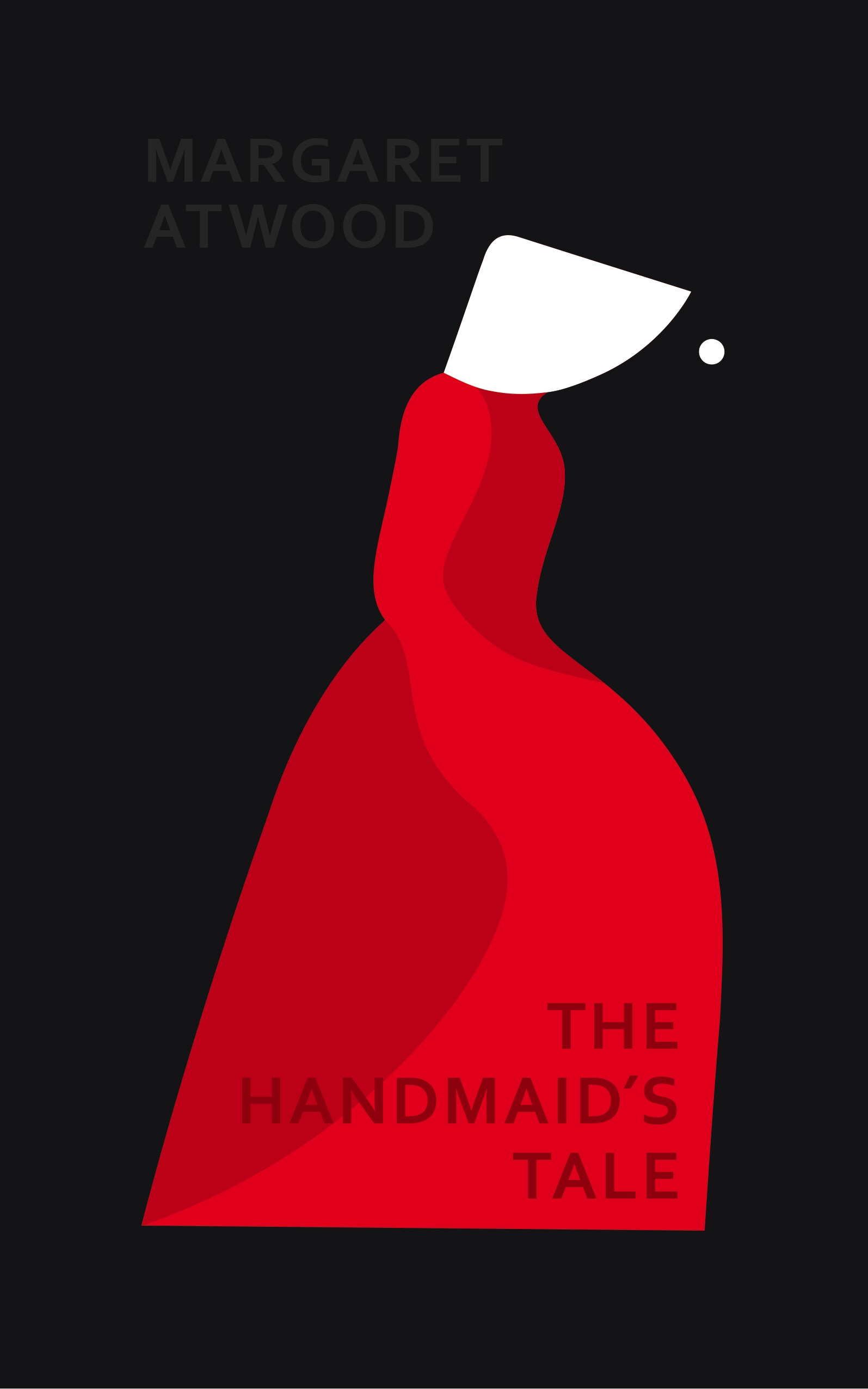
The Handmaid’s Tale, Margaret Atwood
Analysis:
The novel address the theme of marginalized groups. It takes place in a dystopian society where the Handmaids are oppressed and marginalized. They are striped of their rights, treated as proprety and forced to bear childrens for the ruling class. We can say that Atwood explores the gender inequality in this novel. Her story is a powerful way to expose the dangers of our potential future as a society as well as how marginalized some groups can become.
The book was written only using events that happened at some point in history. It underlines the fact that a specific set of events can happen and lead society to this form of marginalization.
An example in today’s society would be the LGBT rights movements
‘I am your worst fear. I am your best fantasy.’So proclaims a gay liberation slogan of the early 1970s. The sloganpositions homosexuality as a site of both anxiety and fascination.It foists fear and fantasy onto every non-gay-identified listener,including closeted homosexuals. No longer marginalized, the gaysubject here claims knowledge of, even inhabits, the psyche of the‘straight’ listener. Homosexuality is thus conceived not simply asan identity possessed by particular subjects but as a site of sexualmeaning and symbolic investment under continual negotiation,both by those who name themselves as gay or lesbian and by thosewho do not.
Analysis :
This book revolves around the art in queer culture from 1885 to present days, this extract from a preface deals with a slogan of the early 1970s :
‘I am your worst fear. I am your best fantasy.’ This slogan is targeting both gay and non-gay-identified listeners (which includes closeted queer listeners).
To put it in a nutshell, this extract underlines the fact that the queer comunity used this slogan as a way to convey a message, to stir debate and curiosity from anybody that dare to listen, read or interpret it.
This exhibition that took place near the Stonewall Inn, in the Grey Art Gallery is one of the first major exhibitions that revolved around LGBT history, here is an extract from the presentation of the exhibition :
The uprising began in the morning of June 28, 1969, when New York City police raided theStonewall Inn, a Mafia-run gay bar on Christopher Street. Among the working-class patronswho refused to be arrested quietly were the transgender activist Marsha P. Johnson and thegay artist Thomas Lanigan-Schmidt. The confrontation spilled out into the street inprotests and violent clashes. Others joined in, and the riots continued for days.As David Carter writes: “It is as if America symbolically got back the anger she had created by her neglect of her most despised children: the fairies, queens, and nelly boys she had so utterly abandoned.”Although the Stonewall riots marked a turning point in queer civil rights, a decade later the struggle for liberation was facing extreme backlash—as seen in the repeal of gay rights legislation in Miami-Dade County and the assassination of gay city supervisor Harvey Milk in San Francisco. There was also tension within the movement, which unfortunately was not immune from perpetuating sexism, racism, and transphobia. Three crucial themes that are still relevant today provide the organizing principlefor the Grey’s installation: Things Are Queer explores how the concept of queerness was developed as a way to resist categorizing people as straight or gay, female or male; AIDS and Activism observes how an epidemic that was initially viewedas a disease of homosexuals affected the gay community, artistic communities,and the world at large; and We’re Here! celebrates how, by the end of the 1980s,LGBTQ people had permeated and influenced all aspects of everyday life:queerness could no longer be marginalized in American society.
In this extract we discover that the Stonewall riots were the turning point in queer civil rights and artistic expression they enabled artists to express themselves. The exhibit underlines the fight of queer artists against social injustices and the AIDS crisis. This activism led them, by the end of the 1980s to no longer be considered a marginalized community among the American society, however nowadays this statement is seriously contested and hate crimes against this community are more and more frequent in the USA.
yet, the LGBT communities are not the only marginalized groups, one of the most commonlyrepresented being the african-american community
Visual Artwork
Elizabeth Catlett, “Target,” 1970
Analysis:
This picture depicts a bronze sculpture by Elizabeth Catlett in which the crossair of a rifle sight frame the head of an African-american man. The artist made this work in response to the shooting of two Black Panters — Fred Hampton and Mark Clark — by the chicago P.D (police dept). Catlett said “We have to create an art for liberation and for life.”
The fact that to be able to look at the man in the eyes, the viewer has to look through the sight, as is holding a rifle, is quite unique and disturbing, really setting this “who’s side are you on” aspect of the artwork. You either choose to be inactive and watch people suffer, or to be an activiste and be the one on the other side of the sight being held at gunpoint.